

REIMAGINED
REDEFINED
COMING SOON

As Creative Director of Highboy USA, I shape the brand’s visual identity, storytelling, and creative direction across design, campaigns, and content. I approach the American highboy dresser as both history and possibility, restoring each piece with a focus on simplicity, proportion, and timeless craftsmanship. Made in the USA and influenced by early American design and Mid-Century Modern restraint, my work honors tradition while refining it for a quieter, more contemporary presence — preserving the highboy not as a relic, but as a living object made for another lifetime of use.
Gregory Rolando
Creative Director


2026
SELECT WORKS
- COMING SOON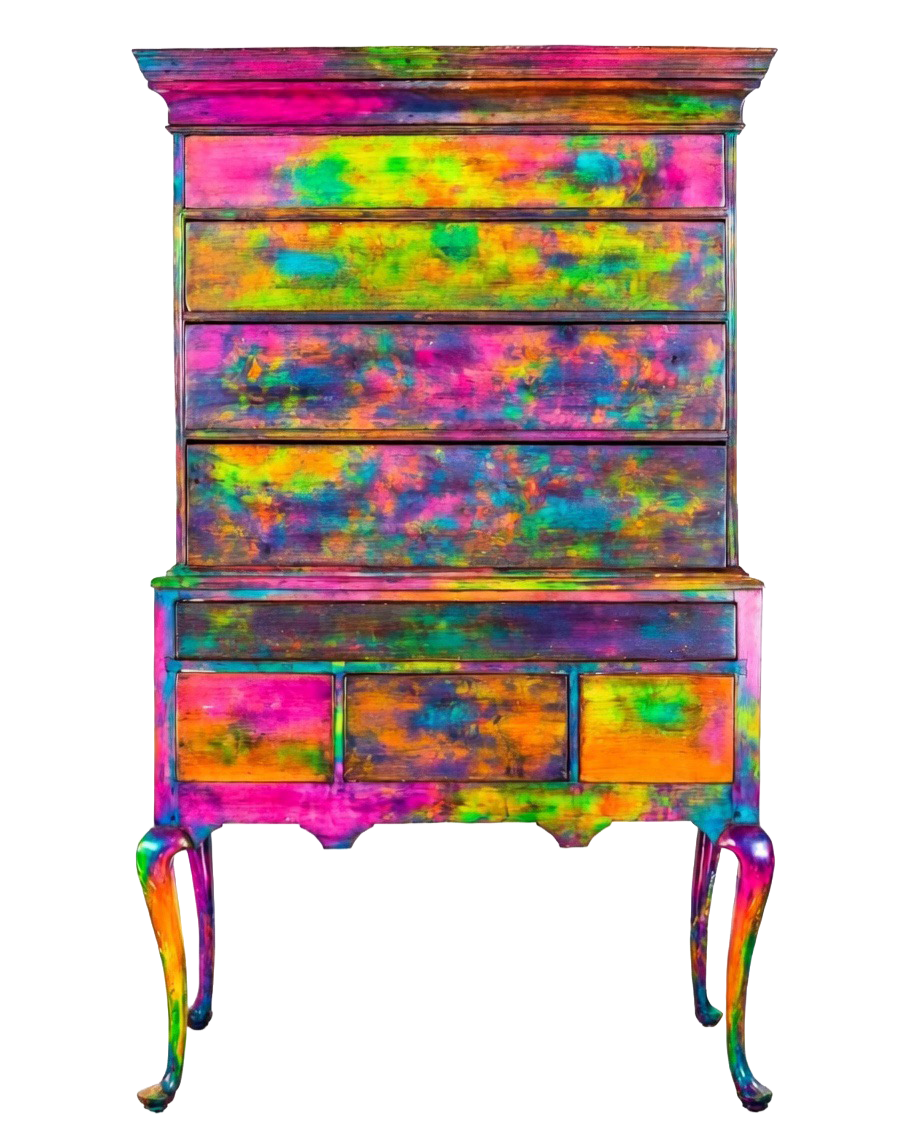
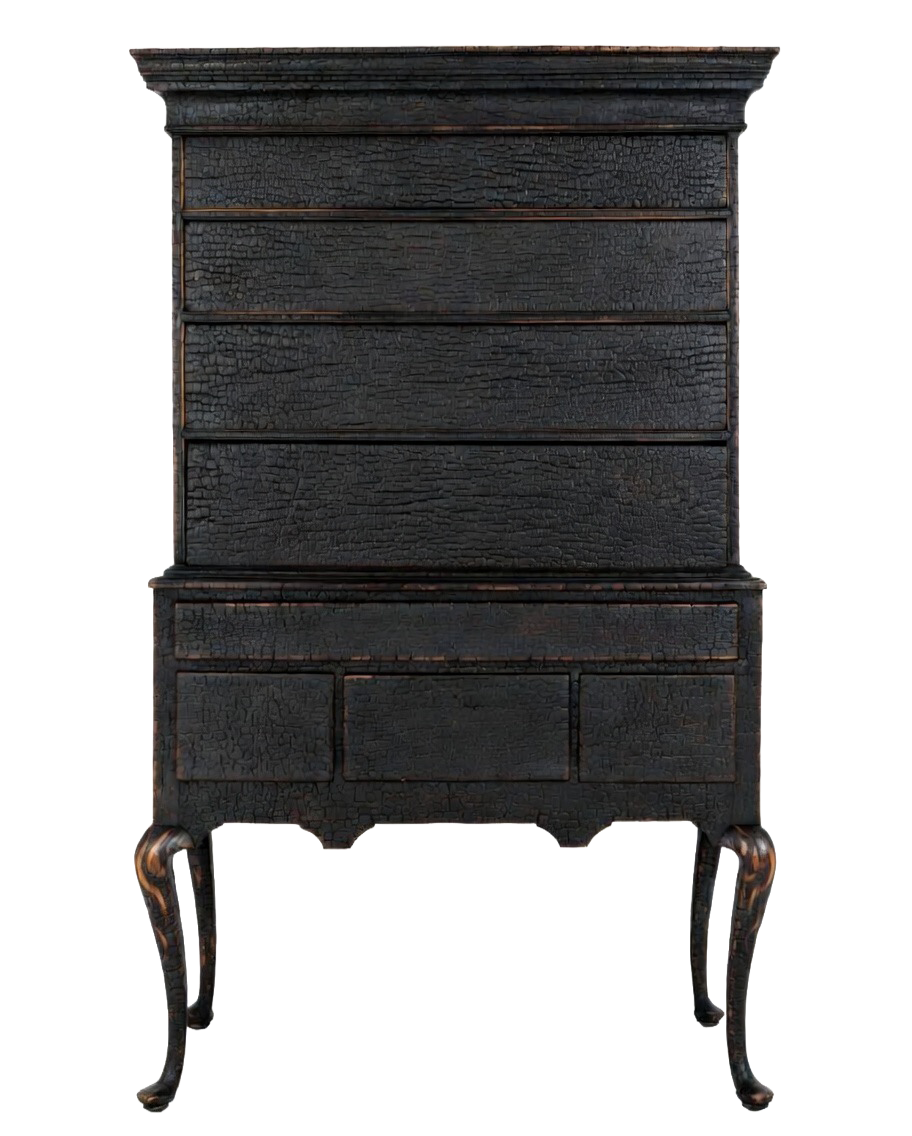
My approach to restoration isn't about freezing a piece in time; it's about ensuring its evolution. By simplifying form and refining proportions, I allow the raw materials, balance, and negative space to dictate the aesthetic.
Drawing from the functional beauty of early American design and the clean restraint of Mid-Century Modernism, I strip away the superfluous to honor the underlying structure. The result is a piece rooted in intention—a transformation that prioritizes presence over nostalgia and craftsmanship over ornament.
Concepts
Frequently Asked Questions
-
The highboy has always been a symbol of craftsmanship and status in early American furniture, but over time it became more of a historical artifact than a living design. I was drawn to the challenge of pulling it out of that static space and asking: what would this piece look like if it were born today? Not as a reproduction, but as a reinterpretation—something that respects its lineage while speaking fluently in a modern design language.
-
It starts with understanding the essence of the original piece—its verticality, its presence, its function as both storage and statement. From there, I strip away ornamental excess and focus on proportion, material, and intention. Clean lines replace heavy carvings, but the silhouette still nods to the past. It’s less about preservation and more about translation.
-
I don’t see furniture and art as separate categories. A highboy, historically, was already a kind of sculpture—it just happened to hold clothes. In my designs, I lean into that sculptural identity. Each piece is meant to stand on its own visually, almost like a gallery object, while still being fully usable. Function isn’t sacrificed—it’s elevated through design.
-
I tend to favor a mix of natural and industrial materials—solid hardwoods paired with metals, sometimes even unexpected finishes like matte lacquers or textured surfaces. Traditional joinery is still important, but I’m not afraid to integrate modern fabrication methods where they enhance precision or durability. It’s about merging craft with innovation.
-
It’s for people who appreciate design as part of their daily experience. Someone who doesn’t just want furniture to fill a space, but to define it. The modern highboy is for collectors, minimalists, and anyone who values objects that tell a story—especially one that bridges history and modern life.